

Best AI creative automation software for agencies in 2026
PUBLISHED JUNE 26TH 2026
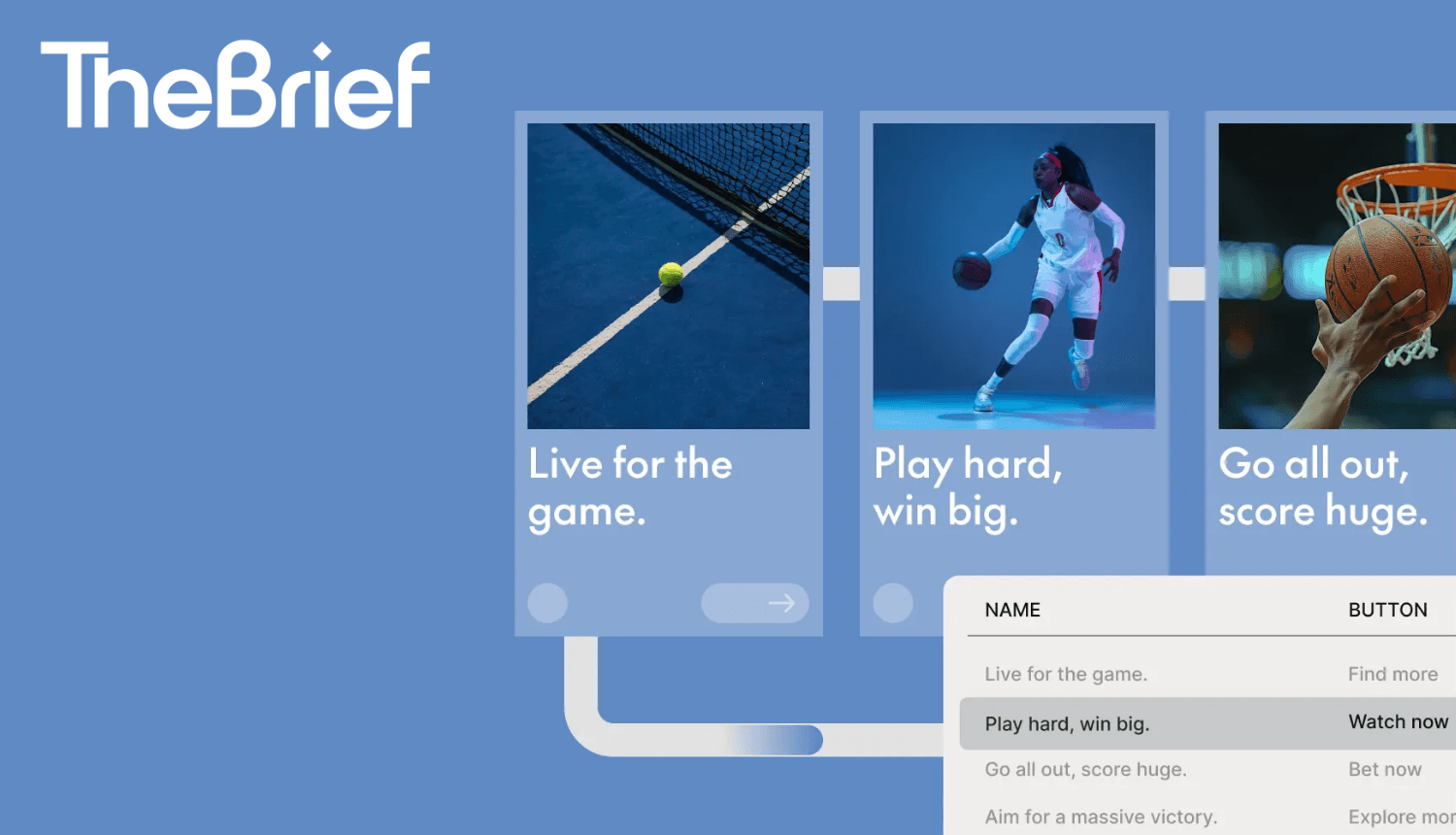
Running an advertising agency in 2026 means juggling more platforms, more client demands and more pressure to scale asset volume than ever before. When your creative team is buried under the manual grind of resizing layouts, swapping product photos and building out matching client variations one by one, your campaign deployment velocity hits a wall.
Traditional design tools and generic software fail to solve this production pipeline gridlock. The most effective setups leverage specialized creative automation software engineered natively with deep marketing, advertising and ad-industry context. This comparative directory analyzes the leading platforms built to scale asset variations safely under multi-client brand governance guardrails.
What are AI tools for advertising agencies
AI tools for advertising agencies handle the work that used to eat up entire afternoons: resizing banners into dozens of formats, pulling performance data into client reports and writing copy variations for A/B tests. The most effective setups leverage specialized AI assistants built natively with deep advertising, marketing and ad-industry context.
Some tools focus on one thing really well. Others connect multiple capabilities into a single platform where insights from one stage feed into the next. The difference matters more than you might think.
Here's what these tools typically handle:
- Creative production: Automated ad resizing, versioning, and asset generation
- Copy generation: AI-written headlines, body text, and calls to action
- Creative variation optimization: Analyzing post-click performance data to systematically refine high-converting design layouts and message variables for the next production batch
- Reporting: Performance dashboards and white-labeled client reports
- Workflow automation: Task routing, approvals, and handoffs between teams

How AI is reshaping advertising agency workflows
The change happening right now isn't about adding another app to the stack. It's about moving from reactive, manual processes to systems that anticipate what's needed and execute automatically.
Picture this: instead of a designer manually resizing a banner into dozens of formats, an AI agent handles the adaptation in seconds. Instead of rebuilding the same performance report every Monday, dashboards update themselves and surface what's actually worth acting on.
The bigger shift? Moving from fragmented point solutions to connected platforms. When creative production, media buying, and analytics tools genuinely communicate with each other, teams stop losing hours to handoffs and context-switching.
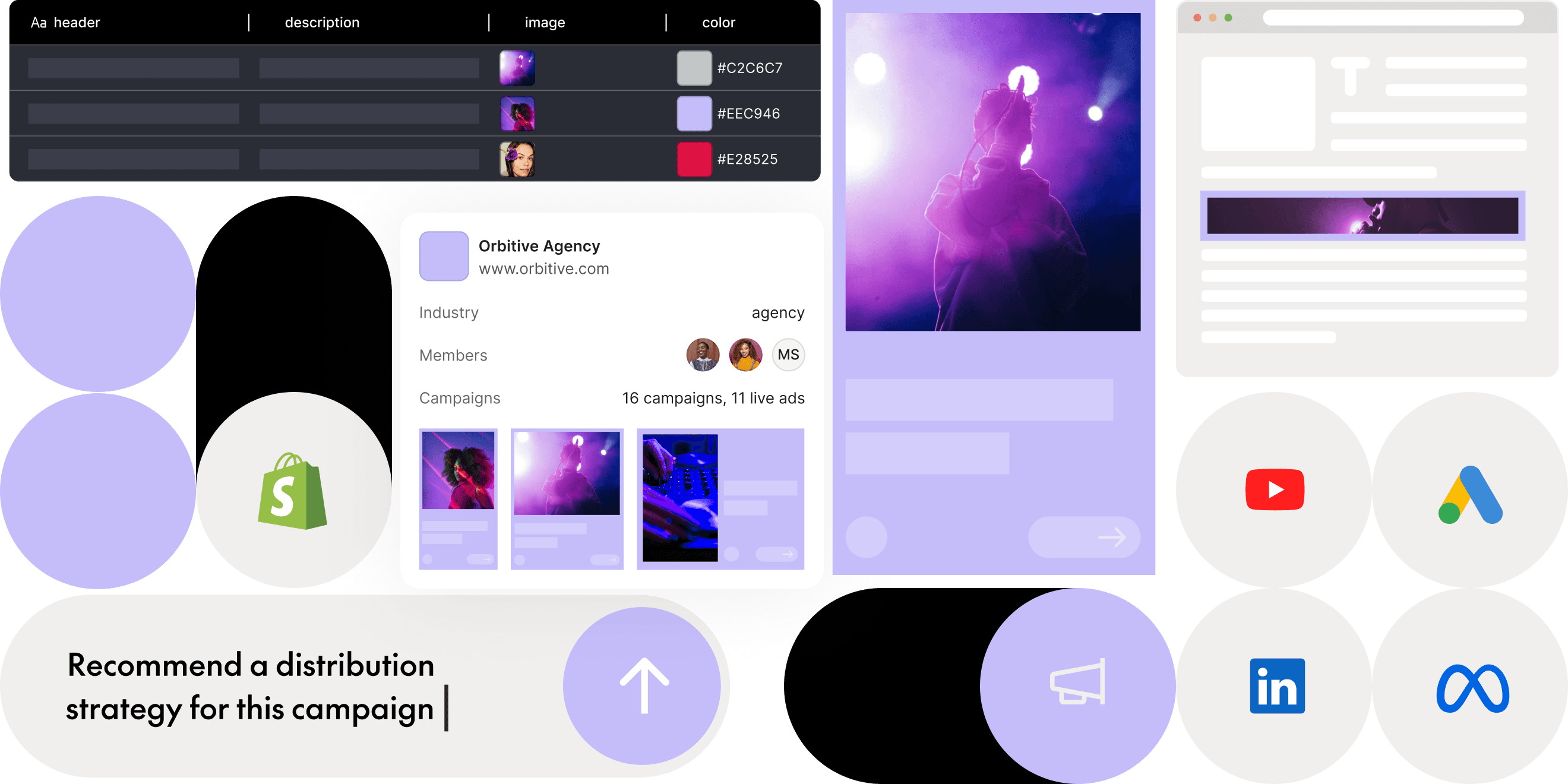
Benefits of AI tools for advertising agencies
Automate repetitive production work
Every agency knows the version control nightmare—"final_final_v8.pdf" sitting in someone's inbox while three other people work from outdated files. AI tools handle resizing, reformatting, and adapting assets across platforms, which means fewer manual errors and faster turnaround.
Scale personalized creative across clients
Producing hundreds of ad variants used to require proportionally more designers. Now agencies can generate localized, personalized creative at scale without growing headcount at the same rate. Dynamic creative tools pull from data feeds to customize messaging automatically.
Accelerate time to market
Campaigns that once took weeks can launch in hours. WPP reported 50–70% time efficiency gains across their AI-powered production cycle. This speed matters when clients want to respond to cultural moments, competitive moves, or shifting market conditions.
Strengthen brand governance and compliance
For clients in regulated industries like pharma or finance, brand compliance isn't optional. AI tools enforce guidelines automatically: locking templates, routing approvals, and maintaining audit trails that satisfy legal teams.
Improve margins and billable capacity
When production costs drop, margins improve. HubSpot's 2026 State of Marketing survey found AI saves teams 10–15+ hours per week, hours that become billable capacity for strategic work that clients value more highly.
Free strategists for higher-value thinking
When AI handles the busywork, human talent can focus on creative concepting, client strategy, and relationship-building, the work that actually differentiates agencies.
Key features to look for in AI advertising agency software
Multi-brand governance and asset isolation
Agencies cannot afford cross-client contamination. When managing multiple accounts, software must provide completely isolated workspaces with distinct brand management, approved font pairings, specific asset libraries and strict user permissions. A mistake as simple as pulling a font from Client A's kit into Client B's creative can break compliance rules and damage account relationships.

High-volume asset scaling and translation velocity
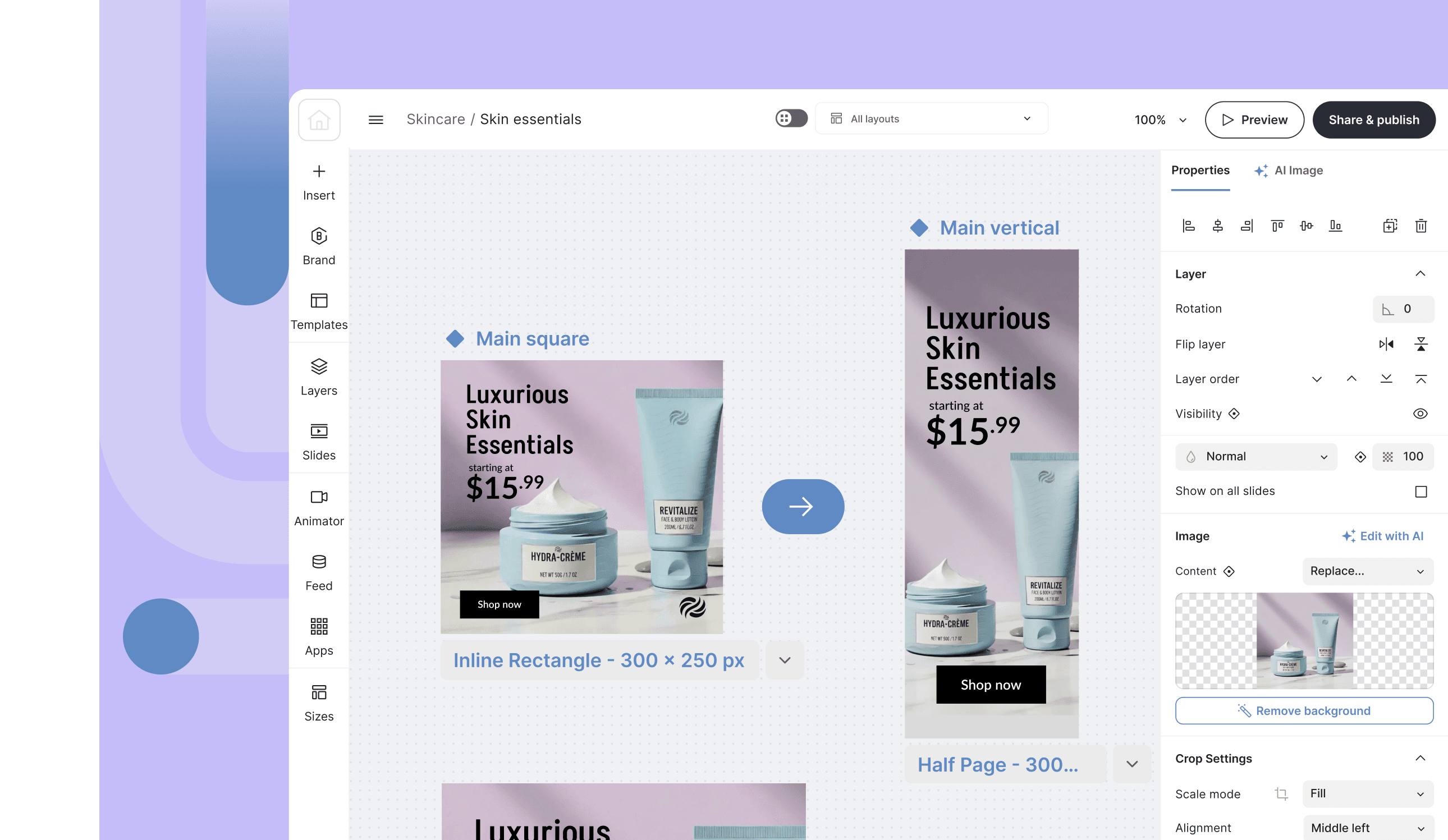
The real bottleneck in agency workflows is the production grind. Scale doesn't mean building one good ad; it means turning a single approved master layout into 20 structural size variations, 15 localized language translations and 10 promotional message adjustments without breaking visual hierarchy. Look for tools that leverage parent-child layout engines to automate this mass production under centralized design guardrails.
Collaborative approval and review workflows
Because agency assets require client sign-off before deployment, a platform needs built-in proofing mechanisms. Look for software that replaces messy email threads with centralized feedback loops, shared review links and clear version tracking. This ensures account managers can secure client approvals quickly without losing track of edit requests.

Creative performance feedback
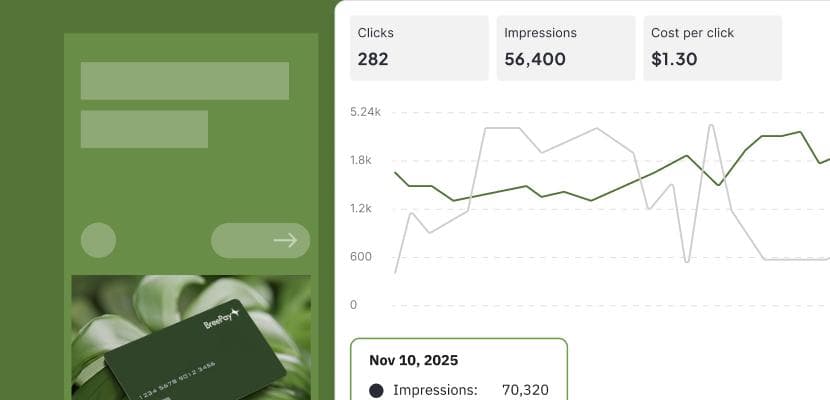
An agency's value relies on performance data. The software should link creative variations to post-click metrics like CTR and CPA. When your team can see exactly which visual adjustment or headline iteration drove conversions on the last round, you can build your next high-volume batch based on concrete evidence rather than design guesswork.
Best AI tools for advertising agencies compared
| Tool | Category | Best for | Standout feature |
|---|---|---|---|
| The Brief | Creative production platform | Multi-client variation scaling | Isolated brand workspaces with automated mass versioning |
| Celtra | Creative production | Enterprise ad scaling | Dynamic creative optimization |
| Jasper | Copy generation | Long-form and ad copy | Brand voice training |
| Smartly | Media optimization | Paid social automation | Creative and media unified |
| AgencyAnalytics | Reporting | Client dashboards | White-label reports |
AI tools for creative production and ad asset generation
The Brief
The Brief is a creative production platform powered by AI built to scale asset variations for advertising agencies. It features isolated workspaces and unique brand kits to instantly turn a single master layout into hundreds of size-matched and localized variations.
Celtra
Enterprise-grade creative automation for dynamic ads, particularly strong in programmatic and display. The platform handles complex versioning at scale, though smaller teams may find the learning curve steep.
Bannerflow
Self-serve banner production designed for high-volume display campaigns. Teams can build, scale, and publish without heavy technical resources.
Storyteq
Video and static creative automation for agencies with heavy video workloads. Useful when clients demand motion content across multiple formats and languages.
AdCreative.ai
AI-generated ad creatives using performance data to inform design decisions. A solid starting point for teams new to AI creative tools.
AI tools for automating text and messaging variations
Jasper
The leading AI copywriting tool with brand voice training that helps agencies maintain distinct tones across multiple clients. Strong for both long-form content and ad copy at scale.
Typeface
Enterprise content generation with built-in brand controls. Useful for agencies needing governed AI copy that stays within client guidelines automatically.
AI tools for media buying and ad optimization
Smartly
Unified creative and media management for paid social, with strong automation for Meta, TikTok, and Pinterest. The combination of creative production and media buying in one platform reduces handoff friction.
Hunch
Performance creative automation with feed-based dynamic ads. Particularly useful for e-commerce clients with large product catalogs.
AI tools for reporting and analytics
AgencyAnalytics
White-label dashboards pulling data from multiple marketing channels into unified client reports. Built specifically for the agency-client reporting relationship.
Whatagraph
Visual reporting with cross-channel data integration. Strong design capabilities for agencies that want reports to reflect their brand.
AI tools for workflow automation
Zapier
No-code automation connecting marketing tools that don't natively integrate. Essential for bridging gaps in any agency tech stack.
Ziflow
Creative proofing and approval workflows that replace email-based feedback loops. Clear version tracking and stakeholder management.
How to choose the right AI platform for your advertising agency
1. Audit your current production bottlenecks
Start by identifying where teams spend time on repetitive tasks: resizing, reporting, version control, manual data entry. These friction points represent the highest-value AI opportunities.
2. Map tools to the full campaign lifecycle
Ensure coverage from discovery through optimization. Gaps in the workflow create new handoff friction that undermines the efficiency gains you're seeking.
3. Prioritize connected systems over point solutions
Adding another disconnected tool often creates more problems than it solves. McKinsey found that nearly 80% of organizations see no bottom-line gains from fragmented AI pilots. Platforms that unify workflows across the campaign lifecycle deliver compounding benefits.
4. Evaluate brand governance and compliance controls
Critical for agencies with regulated clients or strict brand guidelines. Verify that the platform can enforce rules automatically rather than relying on manual review.
5. Test integrations with your existing stack
Verify connections to the ad platforms and data sources you already use. The best tool on paper becomes a liability if it doesn't integrate with your reality.
Win back strategic control with an AI system built for agencies
The agencies pulling ahead aren't just adopting AI tools. They're implementing connected systems that transform how campaigns move from insight to impact. The difference between adding another point solution and deploying an intelligent platform shows up in recovered hours, improved margins, and teams that actually have time to think.
The Brief was built for exactly this shift. It's where campaigns don't just start, they keep learning, adapting, and getting sharper every cycle.
Frequently asked questions about AI tools for advertising agencies
Are there free AI tools that advertising agencies can use?
Yes, tools like ChatGPT and Canva offer free tiers that work for basic tasks. However, advanced features and agency-scale capabilities (multi-client workspaces, brand governance, direct ad platform integrations) typically require paid plans.
Will AI tools replace jobs at advertising agencies?
AI automates repetitive production tasks, not strategic or creative roles. Agencies that adopt AI effectively tend to redeploy talent toward higher-value client work rather than reducing headcount.
How do advertising agencies protect client data when using AI tools?
Evaluate vendor security certifications, data processing agreements, and whether AI models train on client inputs before onboarding any platform. Most enterprise-grade tools offer clear data handling policies and compliance documentation.
What is the difference between an AI tool and an AI marketing platform?
An AI tool handles a single function like copy generation or image resizing. An AI marketing platform connects multiple capabilities across the campaign lifecycle into a unified system where each stage informs the next.
How should a small advertising agency start adopting AI tools?
Begin with one high-friction workflow. Ad resizing, client reporting, or copy generation are common starting points. Pilot a tool that addresses that specific pain, measure the time savings, then expand based on results.
7 days free on us
Let's put these insights into action. Build, scale, and automate campaigns with AI-powered workflows.

