

The ultimate guide to UGC video ads and 30 formats used by top brands
PUBLISHED APRIL 24TH 2026
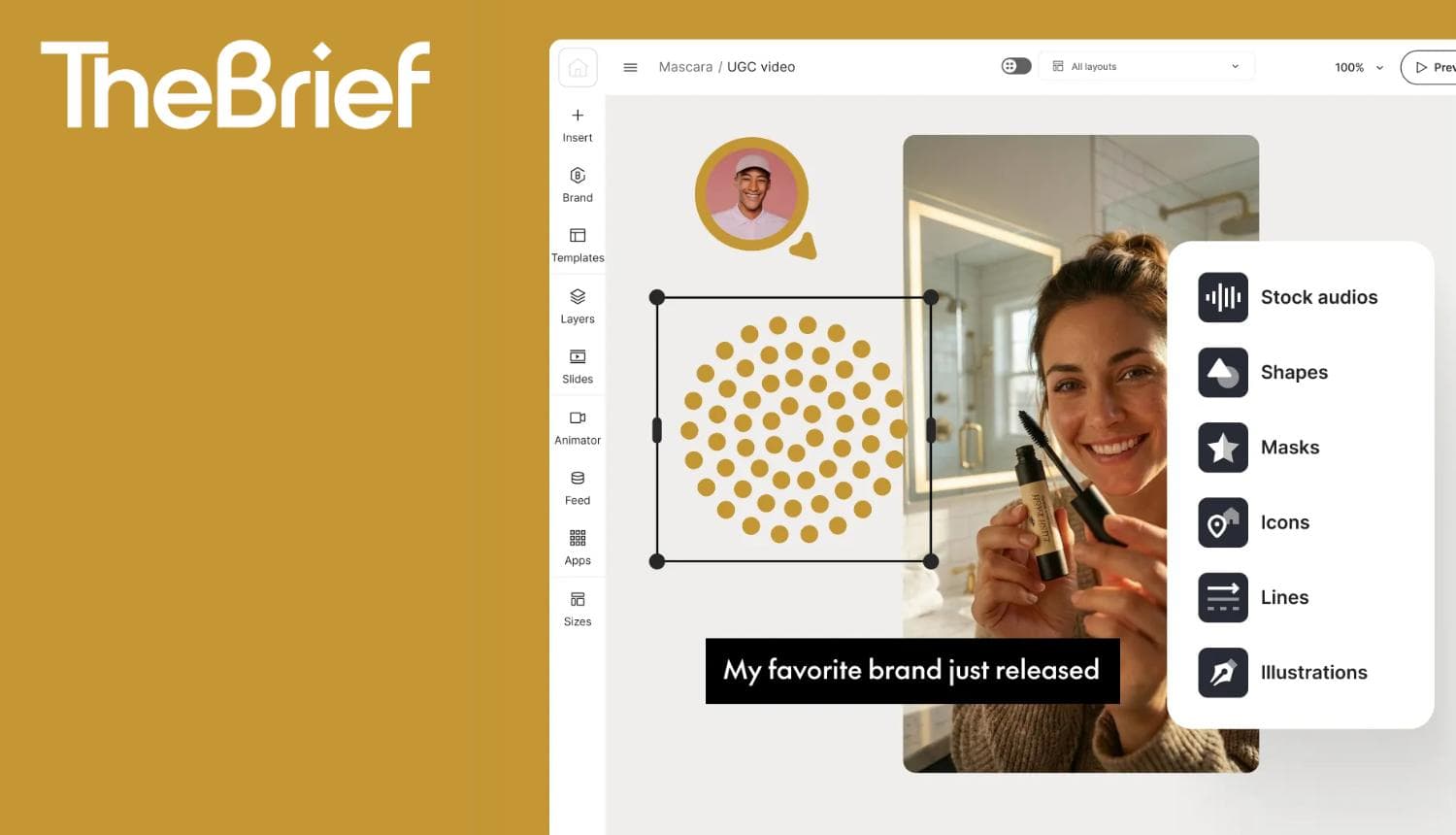
Your highest-performing ads probably won't come from a production studio. They'll come from someone filming on their phone in their living room.
UGC video ads - promotional videos that look like they were made by real people rather than brands - have become the dominant creative format across TikTok, Instagram, and Meta. This guide breaks down what makes them work, walks through 30 examples worth studying, and covers how to create and scale UGC ads without getting buried in production bottlenecks.
What is a UGC video ad
UGC video ads are promotional videos featuring content that looks like it was created by real people rather than a brand's production team. The term UGC stands for user-generated content, and in advertising, it refers to videos shot on smartphones with natural lighting and authentic delivery - the kind of content you'd expect to see from a friend, not a corporation.
Here's where it gets a bit nuanced. There's a difference between organic UGC and UGC-style ads:
- Organic UGC: Content customers create on their own without any brand involvement
- UGC-style ads: Videos intentionally produced to look authentic, typically by hired creators or brand ambassadors
- AI-generated UGC: Synthetic content using digital avatars and AI voiceovers that mimics the UGC aesthetic
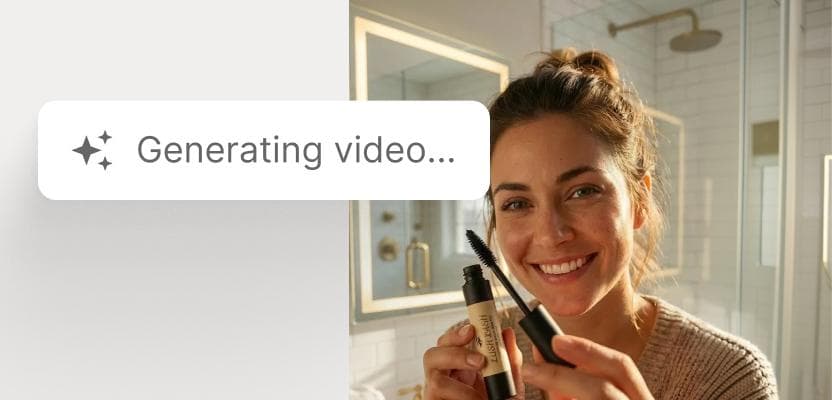
Most brands running UGC video ads today work with creators who produce content specifically for campaigns, and according to Sprout Social, 61% of marketers plan to increase their creator content investment in 2026. The footage feels raw and relatable, yet the messaging stays on point.
Why UGC video ads outperform traditional ads
Higher trust and authenticity
People have gotten really good at spotting polished brand messaging - and scrolling right past it. UGC ads blend into social feeds because they look like content from peers, not marketing departments. That perceived authenticity translates into attention.
Lower production costs
Traditional video production means crews, studios, talent fees, and weeks of post-production. A UGC video ad, on the other hand, might involve a creator with a smartphone and good natural light. Even when working with professional UGC creators, the approach keeps budgets manageable.
Faster time to market
You can move from creative brief to live campaign in days rather than weeks. That speed matters when you're trying to jump on trends, seasonal moments, or competitive openings.
Better performance metrics
UGC ads tend to see stronger engagement and return on ad spend because they don't feel like interruptions. When viewers don't immediately clock something as an ad, they're more likely to watch, engage, and convert.
Scalable creative testing
This is where UGC really shines for performance marketers. You can test dozens of hooks, angles, and creator styles without expensive reshoots. High-volume testing surfaces winners faster and keeps creative from going stale.
Types of UGC video ads
Product reviews
A creator shares their honest take on a product's benefits and their experience using it. Reviews work particularly well for considered purchases where buyers want social proof before committing.
Unboxing videos
First-impression content showing the packaging, presentation, and initial reaction to receiving a product. The anticipation and reveal create natural engagement hooks that keep viewers watching.
Tutorials and how-tos
Step-by-step demonstrations showing how to use a product in real scenarios. Tutorials educate while selling, making them effective for products with any kind of learning curve.
Testimonials
Direct-to-camera endorsements from satisfied customers sharing results or transformation stories. The personal, one-on-one nature builds trust quickly.
Before and after transformations
Visual proof of product effectiveness through side-by-side comparisons over time. Skincare, fitness, and home improvement brands rely heavily on this format because results speak louder than claims.
Problem and solution
A narrative format that presents a relatable pain point, then positions the product as the resolution. The storytelling structure keeps viewers engaged through to the payoff.
Lifestyle and aspirational content
Shows the product integrated naturally into the creator's daily life or aesthetic. Less direct selling, more "this is how I live and here's what I use."
UGC voiceover ads
Raw UGC footage paired with a scripted voiceover (sometimes AI-generated) for controlled messaging with authentic visuals. This hybrid approach offers flexibility when you want both authenticity and precision.
Raw UGC footage with brand editing
Brands receive unedited footage from creators, then add their own graphics, music, and CTAs in post-production. You get the authenticity of creator content plus brand polish where it counts.
30 best UGC video ad examples
Reviews and testimonials
- Glossier – Instagram Reels featuring real customers discussing skincare routines with genuine enthusiasm
- Athletic Greens – YouTube testimonials from health-conscious creators explaining their morning supplement ritual
- Warby Parker – TikTok reviews showing the home try-on experience from unboxing to final selection
- Casper – Facebook ads with couples sharing honest sleep quality improvements
- HelloFresh – Multi-platform testimonials from busy parents praising meal simplicity
- Ritual Vitamins – Instagram Stories with creators discussing ingredient transparency
Unboxing and product showcases
- Apple – User-shot unboxing videos capturing genuine excitement for new device releases
- FabFitFun – Seasonal subscription box reveals showing each item's value
- Dyson – TikTok unboxings demonstrating premium packaging and first impressions
- SHEIN – Haul-style content showing multiple items with try-on reactions
- Chewy – Pet-focused unboxings featuring animal reactions to new toys and treats
- Allbirds – Minimalist unboxing content emphasizing sustainable packaging
Tutorials and demos
- Fenty Beauty – Makeup tutorials showing product application on diverse skin tones
- Olaplex – Hair treatment demonstrations with step-by-step instructions
- Instant Pot – Recipe tutorials showcasing appliance versatility
- Canva – Screen-recorded design tutorials from actual users
- Peloton – Workout snippets from community members sharing their routines
- Notion – Productivity setup videos from power users
Transformations and results
- Curology – Skincare journey documentation over weeks and months
- Noom – Weight loss progress stories with emotional authenticity
- Purple Mattress – Sleep quality before-and-after comparisons
- The Ordinary – Skin texture improvements documented over time
- Smile Direct Club – Teeth alignment progress videos
Lifestyle and aspirational
- Lululemon – Creators integrating activewear into daily routines
- Away Luggage – Travel content featuring products in real destinations
- Outdoor Voices – Community members showing active lifestyles
- Mejuri – Everyday jewelry styling in authentic settings
UGC footage with brand voiceover
- Calm – Meditation app using serene UGC footage with scripted narration
- Headspace – Lifestyle clips paired with benefit-focused voiceovers
- Audible – Reading and commute footage with audiobook testimonials layered in
Where to run UGC video ads
Different platforms call for different approaches. Here's a quick breakdown:
| Platform | Best formats | Audience fit |
|---|---|---|
| TikTok | Vertical, 15-60s | Gen Z, discovery-driven |
| Reels, Stories | Millennials, lifestyle | |
| YouTube | Shorts, pre-roll | Intent-based, tutorials |
| Meta Ads | Feed, Reels | Broad targeting |
| CTV | Landscape, 15-30s | Household reach |
TikTok
TikTok is the most native platform for UGC aesthetics, with Socialinsider's 2026 benchmarks reporting a 49% year-over-year increase in engagement rates. Vertical format, sound-on environment, and trend-driven hooks are essential here. Content that feels too polished actually underperforms, the platform rewards authenticity. Check the latest TikTok Ad Specs 2026: Complete Guide with Free Templates to make sure your creative is formatted correctly before launch.
Instagram Reels and Stories
Similar to TikTok, though with slightly more polished audience expectations. Stories work well for urgency and limited-time offers, while Reels drive discovery and reach.
YouTube Shorts and pre-roll
Shorts compete directly with TikTok for attention. Pre-roll ads require faster hooks because of the skip button. You have about three seconds to earn continued viewing. Longer tutorials can work well here too.
Meta Ads Manager
UGC ads run across Facebook and Instagram placements through a single campaign. Feed and Reels placements perform differently, so testing both makes sense.
Connected TV and streaming platforms
An emerging channel for UGC-style content. Landscape format is required, and slightly longer durations are acceptable since viewers are in lean-back mode rather than active scrolling.
How to create UGC video ads
1. Define your campaign goals
Awareness campaigns call for different UGC styles than conversion-focused ones. A testimonial might drive purchases directly, while lifestyle content builds brand affinity over time. Start by getting clear on what success looks like.
2. Write a creative brief
Include talking points, product benefits, dos and don'ts, and visual guidelines. The goal is to empower creators rather than restrict them, give direction without scripting every word. A good brief leaves room for authentic interpretation.
3. Find and vet UGC creators
Options include platforms like Billo, Insense, or Influee, plus brand ambassador programs. Look for creators whose authentic style matches your brand voice. Past work samples tell you more than follower counts.
4. Ship product and manage production
Coordinate logistics carefully: shipping timelines, filming deadlines, and communication checkpoints. Clear expectations prevent delays and misunderstandings down the line.
5. Review and approve UGC footage
Establish approval workflows before content arrives. For regulated industries like finance or healthcare, this is where compliance review happens. Having a clear process saves time and headaches.
6. Edit and optimize for each platform
Resize for platform specs, add captions, insert CTAs. This production step often creates bottlenecks when teams manage it manually across dozens of variations. Creative automation tools can significantly reduce the time spent on this step.
7. Launch and iterate based on performance
Publish, monitor metrics, and quickly iterate on winning hooks or formats. The best UGC programs treat creative as a continuous testing loop rather than a one-and-done effort.
Top AI platforms for creating UGC brand videos
AI avatar and spokesperson tools
Platforms like Arcads and HeyGen generate realistic AI presenters from text scripts. You can test dozens of variations without hiring talent or coordinating shoots - useful when speed and volume matter more than maximum authenticity.
AI UGC video generators
Tools like Bandy AI and Creatify create full UGC-style ads from product links. Script, avatar, and editing all included. You can generate dozens of variations in hours rather than weeks.
AI-powered UGC editing and resizing tools
These platforms take existing UGC footage and auto-resize, add captions, and reformat for multiple placements. Tools like The Brief also support generating UGC-style videos from scripts or existing clips, then adapting them into production-ready variations across formats and channels. When you're managing hundreds of creative variations across platforms, automation becomes essential for keeping pace.

UGC video ad best practices
Hook viewers in the first three seconds
The scroll-stopping moment determines everything. Pattern interrupts, direct questions, or bold claims work well upfront. "I was skeptical until..." outperforms slow brand intros every time.
Keep UGC ad creatives raw and authentic
Smartphone-quality video, natural lighting, and real settings outperform studio production for this format. Over-polishing kills the UGC effect that makes the ads work in the first place.
Add captions for silent viewing
Most social feeds default to sound-off. Captions increase watch time, improve accessibility, and ensure your message lands regardless of how someone is viewing. You can use a video editor to add captions quickly across multiple formats.
Include a clear call to action
Every UGC ad benefits from both verbal and visual CTAs. "Link in bio," "Shop now," or swipe-up prompts give viewers a clear next step when they're ready to act.
Test multiple UGC variations
Vary hooks, creators, formats, and CTAs across your campaigns. High-volume testing surfaces winners faster and prevents creative fatigue from setting in.
How to scale UGC ad production without the bottleneck
The real challenge with UGC isn't creating one great ad. It's producing dozens of variations, resizing for every platform, managing approvals, and iterating fast enough to keep up with performance data.
Most teams hit a wall when manual processes can't keep pace with testing velocity. Version control becomes a nightmare, designers get stuck on production work, and campaigns launch slower than they could.
Automation built for creative production changes the equation. Tools that combine video editing with automated resizing, reformatting, and variation generation help teams move from single assets to scalable ad systems without manual duplication work.

FAQs about UGC video ads
Are UGC video ads legal to use in paid campaigns?
Yes, provided you have proper content rights and creator agreements in place. Always secure usage permissions before running UGC in paid media. Verbal agreements aren't enough for legal protection.
How much do UGC video ads typically cost to produce?
Costs vary widely. Creator-produced UGC ranges from $50-500+ per video depending on production quality, exclusivity terms, and creator following. AI-generated options can cost significantly less per variation.
What is the ideal length for a UGC video ad?
Most high-performing UGC ads run between 15 and 60 seconds. Platform and objective influence optimal duration. TikTok favors shorter content, while YouTube pre-roll can support longer formats.
Do brands use real creators or AI-generated avatars for UGC ads?
Both approaches have merit. Real creators deliver maximum authenticity, while AI avatars enable faster iteration and testing at lower cost. Many brands use both depending on campaign goals and budget constraints.
How do marketers measure UGC video ad performance?
Key metrics include view-through rate, click-through rate, cost per acquisition, and return on ad spend. Attribution tools connect creative variations to conversion outcomes, helping identify which UGC styles drive results.

